


To Som Elsker Hinanden
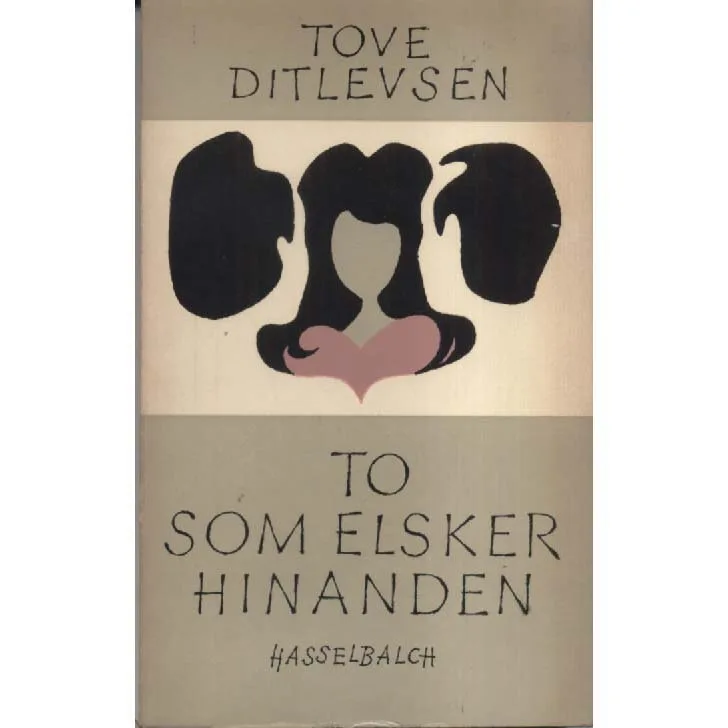
Publisher: Steen Hasselbalchs Forlag
Format: Paperback
ISBN: none
There is a particular kind of Scandinavian novel that appears, at first glance, to concern ordinary people quietly going about their lives, only for it to gradually reveal that everyone involved is emotionally unravelled, spiritually exhausted and one difficult conversation away from staring into the abyss over black coffee. Tove Ditlevsen perfected this art, and To Som Elsker Hinanden (“Two Who Love Each Other”) arrives wrapped in precisely that glorious atmosphere of elegant Nordic despair.
Ditlevsen was one of Denmark’s great literary voices, famous for writing with brutal honesty about love, loneliness, relationships and the fragile architecture of everyday existence. She possessed the remarkable ability to describe ordinary domestic life in a way that somehow feels both intimate and quietly catastrophic. A simple exchange in a kitchen can carry the emotional weight of an international crisis.
The title itself sounds deceptively reassuring. Two Who Love Each Other suggests perhaps a charming romance, maybe a gentle European love story involving bicycles and attractive people gazing thoughtfully through rain-covered windows. Instead, being Tove Ditlevsen, there is every possibility that love will be dissected with the precision of a surgeon examining a complicated wound while society smokes nervously in the corner pretending everything is fine.
This 1967 Steen Hasselbalchs Forlag edition positively radiates serious literary credibility. One imagines it living for decades on the shelves of thoughtful Danish apartments containing minimalist furniture, heavy curtains and at least one ashtray permanently full beside a copy of Kafka. It is exactly the sort of book somebody buys while sincerely intending to become a more emotionally sophisticated person.
And to be fair, Ditlevsen genuinely earns her reputation. Modern readers discovering her today often react with mild alarm at how contemporary she feels. Her writing about identity, dependency, anxiety and relationships cuts through decades with unnerving precision. She understood long before social media that human beings are exceptionally talented at performing happiness while quietly collapsing internally.
Naturally, there is something wonderfully ironic about mid-century Scandinavian literary fiction becoming fashionable again. For years these books sat quietly on secondhand shelves looking intimidating and untranslated while the world chased louder entertainment. Now everybody suddenly wants Nordic melancholy as though emotional devastation were an artisanal lifestyle choice. Tove Ditlevsen would probably have found that both hilarious and deeply depressing.
The physical object itself is part of the charm. Older Danish paperbacks have a wonderfully austere confidence about them. No explosions, no dramatic embossed lettering, no promises that this book will “change your mindset in seven easy steps.” Just a calm assumption that readers are intelligent adults prepared to spend several evenings contemplating difficult truths about human existence.
Condition-wise, this copy is listed as Good, meaning it has survived remarkably well considering its likely history of being carried in satchels, left on bedside tables and emotionally highlighted by generations of readers having complicated relationships of their own. There may even be annotations from somebody in 1973 who briefly believed they understood love completely after two glasses of red wine and chapter four.
An excellent acquisition for lovers of European literature, collectors of Scandinavian fiction, or anyone who occasionally feels that modern life could benefit from a little more beautifully written existential discomfort.
Keep browsing: See more Danish books Other books by Tove Ditlevsen
